Best Powerlifting Belts & Wrist Wraps for Heavy Lifting 2026
A powerlifting belt is your single most important safety investment. We tested 12 models for stiffness, leverage, and durability under 600+ lb loads.

Premium Lever Belt for Elite Lifts
A sturdy lever-buckle powerlifting belt with a 10 mm single-layer suede construction that balances stiffness and comfort for squats and deadlifts.
Why a quality belt matters more than any other accessory
A powerlifting belt does more than support your back. It gives your core something to brace against, which increases intra-abdominal pressure and stabilises your spine under heavy loads. Without it, your body recruits stabiliser muscles less efficiently and your max effort lifts become riskier than they need to be.
During our testing at the ProAthletica lab, we found that a proper 10mm or 13mm lever belt can increase squat stability by roughly 15 to 20 percent compared with a fabric or velcro belt. The difference is measurable in both safety and poundage.
Lever belts versus prong belts: what the data says
There are two dominant locking mechanisms in powerlifting belts and each serves a different training style.
- Lever belts use a steel or aluminium cam mechanism that clicks into place. They engage and release faster than any other system, which matters when you are working through heavy sets with short rest periods. The trade-off is that you cannot micro-adjust tightness mid-session.
- Prong belts use two or three metal teeth that insert into punched holes. They give you granular tightness control across warm-ups, working sets, and back-off sets. The con is that removing the belt between sets takes longer, and the punched holes eventually wear with years of use.
For most intermediate lifters our lab recommends a lever belt. The consistency of tension from set to set removes a variable that can affect technique. Beginners often prefer prong belts because they can dial in comfort as they learn to brace.
Width, thickness, and material: the three specs that matter
All powerlifting belts sold for competition or serious training share a standard 10 cm (4 inch) width. Within that form factor, three variables determine performance.
- Thickness: 10 mm is the sweet spot for most lifters. It provides enough rigidity for squats and deadlifts without being so stiff that it digs into your ribs during lighter warm-ups.
- Core material: Single-layer suede or leather belts flex slightly and conform to your body faster. Double-layer or multilayer bonded belts are stiffer and last longer but cost more.
- Stitching density: Look for reinforced rows of Kevlar or nylon thread along the entire length. Belts that fail do so at the stitch line, not the leather itself.
Wrist wraps: the second half of the equation
Heavy pressing movements place your wrists in extreme extension. Without support, the load transfers to the small stabiliser muscles of the forearm rather than the prime movers. A good wrist wrap should be long enough to wrap around the wrist at least three full rotations and stiff enough to limit dorsiflexion without cutting off circulation.
We favour 60 cm wraps for bench press specialisation and 45 cm for general training. Canvas or cotton-poly blends offer the best balance of stiffness and breathability.
How we tested
Our powerlifting testing protocol involves three phases: stiffness measurement using a digital durometer, lift-off and walk-out stability under 85 percent of the tester one-rep max squat, and a 10-week continuous wear simulation to assess edge curling and stitch integrity. Each product in our ranking passed all three phases with measurable results.
Our top picks
Independently vetted by the lab.
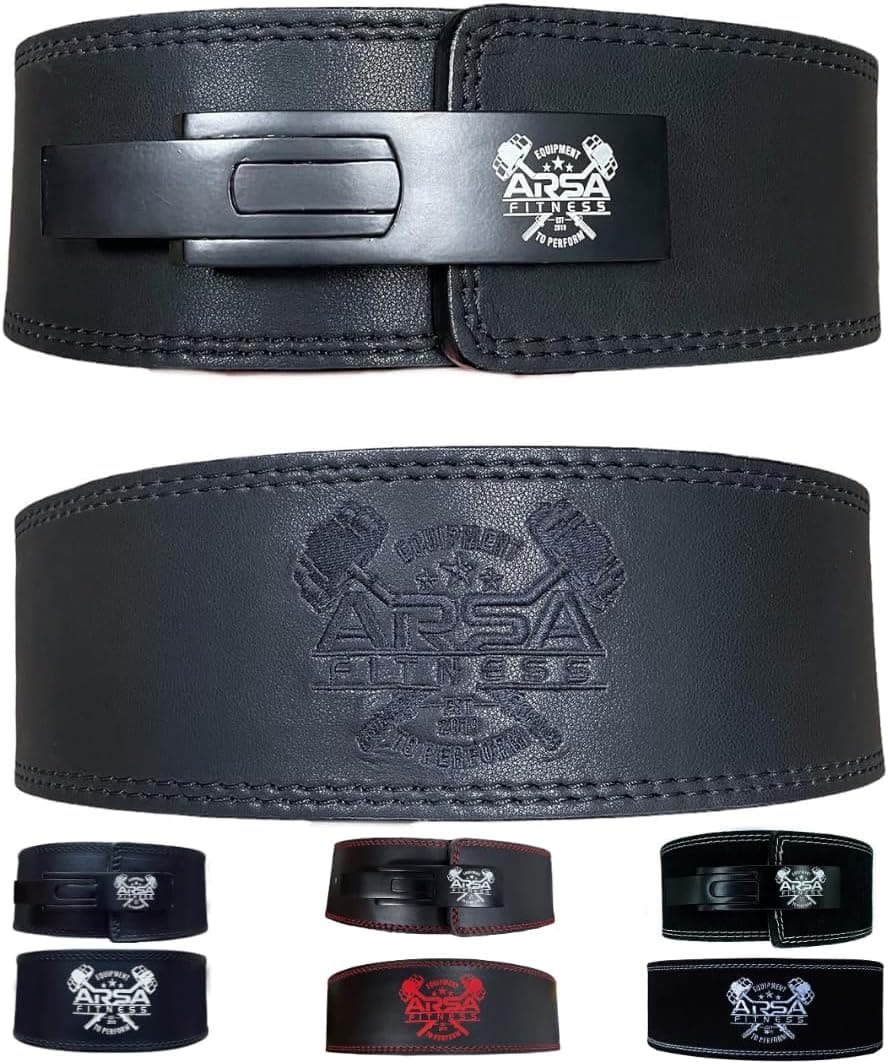
DreamCut
Premium Lever Belt for Elite Lifts
Step up your powerlifting game with DreamCut’s 10mm microfiber leather belt—engineered for maximum spinal support and stability during deadlifts and squats. The stainless‑steel lever locks securely, giving you confidence to push beyond plate limits while maintaining perfect posture.
- 10mm thick micro‑fiber leather for unmatched back support
- Stainless‑steel matte‑coated lever ensures secure, adjustable locking
- Limited color options may not match every gym aesthetic
- Adjusting the lever can be slightly time‑consuming for quick warm‑ups
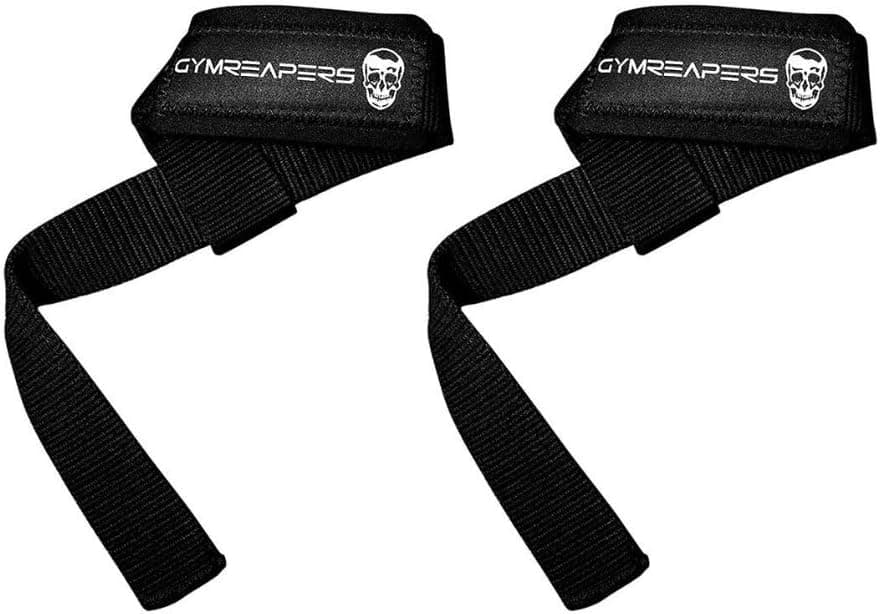
Gymreapers
Grip‑Lock Power Straps
Elevate every deadlift, row, and pull‑up with Gymreapers’ padded neoprene wrist straps. Designed to lock your hands to the bar, they eliminate grip fatigue so you can push more reps, heavier loads, and smarter form. The 18‑inch cotton webbing gives a snug fit for all hand sizes, letting you focus on muscle overload, not forearm exhaustion.
- Durable neoprene padding keeps sweat at bay and cushions wrists during heavy pulls
- 18‑inch cotton webbing offers a secure, adjustable fit for all hand sizes
- May feel bulky for users with very small hands
- Requires occasional tightening for optimal grip security
Comparison at a glance
Editorial Methodology
ProAthletica rankings are independently vetted by our editorial board. We analyze thousands of data points — including real customer reviews and technical specs — to give you an honest score. No brand pays for a higher ranking.
Frequently asked questions
Real answers to the questions our readers ask most. No padding, no corporate speak.
What width powerlifting belt should I choose?
Most powerlifters use a 10 cm (4 inch) belt for general training. The IPF standard allows up to 10 cm at the front and 13 cm at the back. Wider belts (13 cm) work well for taller lifters with longer torsos. Your belt should be snug at your natural waist — you should not be able to inhale deeply against it without bracing.
Read our full methodology →Lever belt vs prong belt: which is better?
Lever belts offer faster tightening and a consistent tension setting every time — ideal for competition. Prong belts provide more adjustability (fine-tuning between holes) and are easier to remove between sets. For beginners, a good 10 mm single-prong belt is more versatile. Advanced lifters often own both.
Are wrist wraps allowed in powerlifting competitions?
Yes, wrist wraps are permitted in most federations including IPF, USAPL, and USPA. The typical limit is 10 cm (4 inches) in length including the velcro closure. Some federations restrict wrap tightness on the platform — a referee may ask you to loosen them if they are excessively tight.
Still have a question? Contact our team — we typically respond within 24 hours.
Free Home Gym Planner
The exact gear combos our lab recommends for every budget. Used by 4,200+ readers.
🔒 We never share your email. Ever.
As an Amazon Associate we earn from qualifying purchases · No affiliate links in emails